

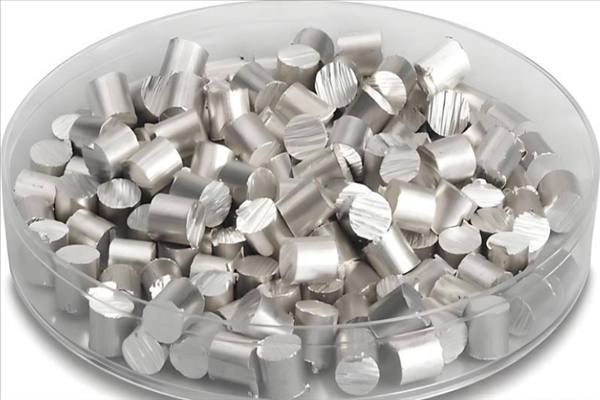


Rhenium: History, Properties, and Applications
1. History
The discovery of rhenium is a fascinating chapter in chemistry, as it was the last naturally occurring stable element to be identified.
Prediction and Search: When Dmitri Mendeleev created the periodic table in 1869, he predicted the existence of "eka-manganese" elements (later named technetium and rhenium). However, their discovery remained elusive for decades.
Hard-Won Discovery: In 1925, German chemists Walter Noddack, Ida Noddack, and Otto Berg first identified the new element through X-ray spectroscopy while analyzing platinum and columbite ores. They named it Rhenium after the Rhine River (Rhenusin Latin).
Scarce Beginnings: Initially, the Noddacks obtained only about 1 gram of rhenium from 660 kg of molybdenite ore. In 1928, they succeeded in isolating the first gram of the pure metal. Due to its extreme scarcity and difficulty of extraction, rhenium remained as precious as gold for many years, limiting its study and use.
Industrialization: It was not until the 1950s, with the development of commercial recovery methods (mainly from molybdenite flue dust) and the urgent need for high-performance materials in aviation, that rhenium production and application began to grow significantly.
2. Properties, Composition, and Performance
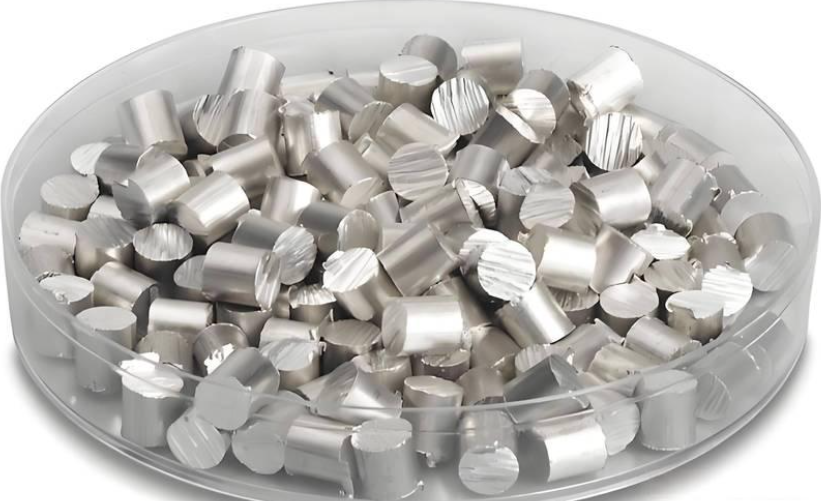
Basic Physical & Chemical Properties
Symbol: Re
Atomic Number: 75
Appearance: Silvery-white, heavy metal, often appearing grayish-black due to surface oxidation.
Density: 21.02 g/cm³ (one of the densest elements, after osmium and iridium).
Melting Point: 3186°C, the third highest of all elements (after tungsten and carbon).
Boiling Point: 5596°C, the highest of all elements.
Chemical Properties: Has good corrosion resistance and is stable in air at room temperature. At high temperatures, it oxidizes to form volatile and toxic rhenium heptoxide (Re₂O₇). Insoluble in hydrochloric and hydrofluoric acids but soluble in nitric and hot concentrated sulfuric acid.
Key Performance Characteristics
Rhenium possesses a unique combination of exceptional properties:
Extremely High Melting & Boiling Points: Makes it ideal for ultra-high-temperature environments.
Excellent Creep Resistance: Its ability to resist slow, permanent deformation under high temperature and stress is unparalleled, which is the core reason for its irreplaceable role in turbine blades.
High Temperature Strength: Maintains significant strength and stability even near its melting point.
High Hardness & Wear Resistance: Pure rhenium is very hard and wear-resistant.
The "Rhenium Effect": This is its most valuable trait. When added to nickel-based superalloys, it dramatically enhances high-temperature strength, creep resistance, and thermal fatigue resistance. It also improves microstructural stability and inhibits the formation of detrimental phases.
Superb Catalytic Activity: Rhenium and its compounds are important catalysts, especially in petrochemistry.
Composition and Alloys
Rhenium is seldom used in pure form but primarily as a critical "vitamin-like" additive in high-performance alloys.
Pure Rhenium: Used in specialized applications like high-temperature thermocouples (W-Re thermocouples measure up to 2200°C), filaments for high-vacuum devices, ion gauges, and mass spectrometer ion sources.
Rhenium Alloys (Primary application form):
Nickel-Based Superalloys: The largest consumption area. Typical 2nd and 3rd generation single-crystal superalloys contain 3% to 6% (or more) rhenium, used in turbine blades and vanes of jet engines and industrial gas turbines.
Tungsten-Rhenium / Molybdenum-Rhenium Alloys: Adding small amounts of rhenium (typically 5-26%) significantly improves the room-temperature ductility, recrystallization temperature, weldability, and strength of tungsten and molybdenum, making them easier to process. Used in high-temperature structures, electronic components, and heating elements.
Platinum-Rhenium Catalysts: Used in catalytic reforming of petroleum to increase gasoline octane.
3. Application Fields
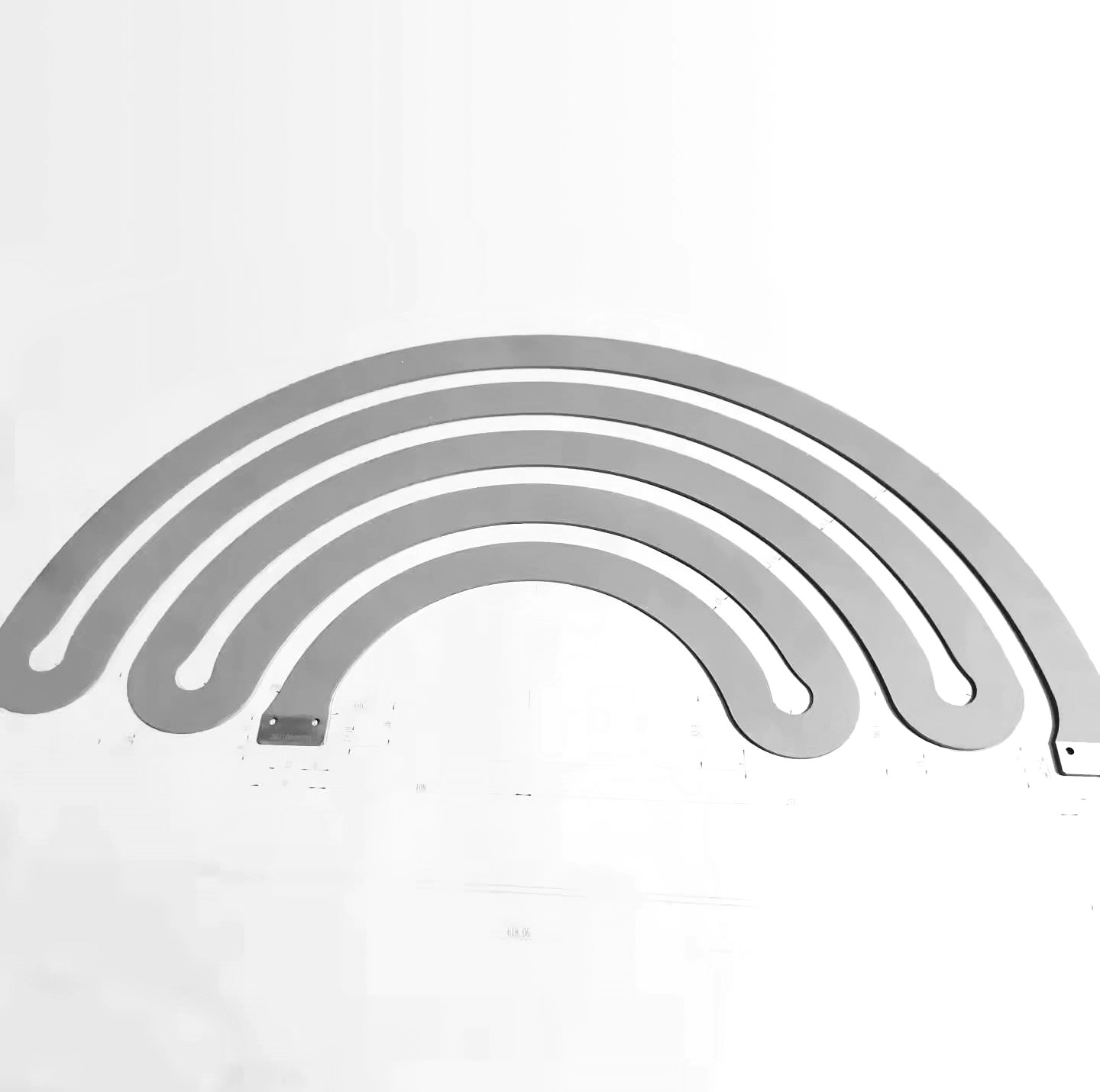


Rhenium's use is highly concentrated in high-tech fields with extreme performance demands.
Aerospace – Jet Engines (Core Application)
Use: Manufacture of high-pressure turbine blades, low-pressure turbine blades, and nozzle guide vanes.
Role: Rhenium-containing superalloys allow these components to withstand higher gas temperatures (exceeding 1700°C in modern engines), significantly increasing engine thrust, fuel efficiency, and reliability. This is a key technology in modern high-performance commercial and military aircraft engines.
Adding rhenium to nickel-based superalloys can enhance their creep strength at high temperatures. Nickel-based rhenium alloys typically contain 3% to 6% rhenium. The second-generation alloys, with a rhenium content of 3%, were used in the engines of F-16 and F-15 fighter jets. The third-generation single-crystal alloys, which contain 6% rhenium, were employed in the engines of F-22 and F-35 aircraft.
Industrial Gas Turbines
Similar to jet engines, rhenium superalloys are used in blades for power generation and marine gas turbines to improve efficiency and power output.
Petroleum Refining
Use: Bimetallic Platinum-Rhenium Catalysts.
Role: Used in catalytic reforming to convert low-octane naphtha into high-octane gasoline components and produce important chemical feedstocks (e.g., benzene, toluene, xylene).
Electronics and Electrical Industry
Filaments and Heaters: For high-vacuum devices, flashlamps, and mass spectrometers.
Thermocouples: Tungsten-Rhenium thermocouples are standard for measuring ultra-high temperatures (up to 2200°C).
Electrical Contacts: Used in high-performance switches and relays for their resistance to arc erosion.
Semiconductors: Rhenium thin films serve as diffusion barriers and contact materials.
Medical Technology
X-ray Tube Anodes: Rhenium alloys (with W or Mo) are used in rotating anodes, increasing the power and lifespan of X-ray tubes.
Radiopharmaceuticals: Rhenium-188 and Rhenium-186 radioisotopes are used in targeted radiotherapy for cancers (e.g., liver, bone).
Other High-Tech Areas
Structural parts for high-temperature furnaces.
High-temperature, radiation-resistant components in the nuclear industry.
Throat liners and combustion chamber liners in rocket engines.
Summary
Rhenium is a strategic, rare metal, often called a "super metal" or the "vitamin of jet engines." Its own remarkable properties, especially the "rhenium effect," make it an indispensable material in modern aerospace propulsion and high-end industrial technology. Its global supply is highly limited (primarily a byproduct of copper and molybdenum mining) and its demand is closely tied to the health of the aviation industry, giving it significant economic and strategic importance.
